Government has approved the National Online Child Protection Policy, marking a major step towards strengthening the safety of children in the digital environment amid growing concerns over cyber-related threats.
The policy was approved by Cabinet and announced during a post-Cabinet media briefing in Harare yesterday.
With digital technologies becoming more accessible across the country, children are increasingly engaging with online platforms from a young age. While the internet offers valuable educational and developmental opportunities, it has also exposed children to risks such as cyberbullying, online abuse, sexual exploitation and the growing threat posed by deepfake content.
In response to these challenges, Government has adopted a comprehensive framework aimed at enhancing child protection in the digital space and ensuring a coordinated national response to online threats.
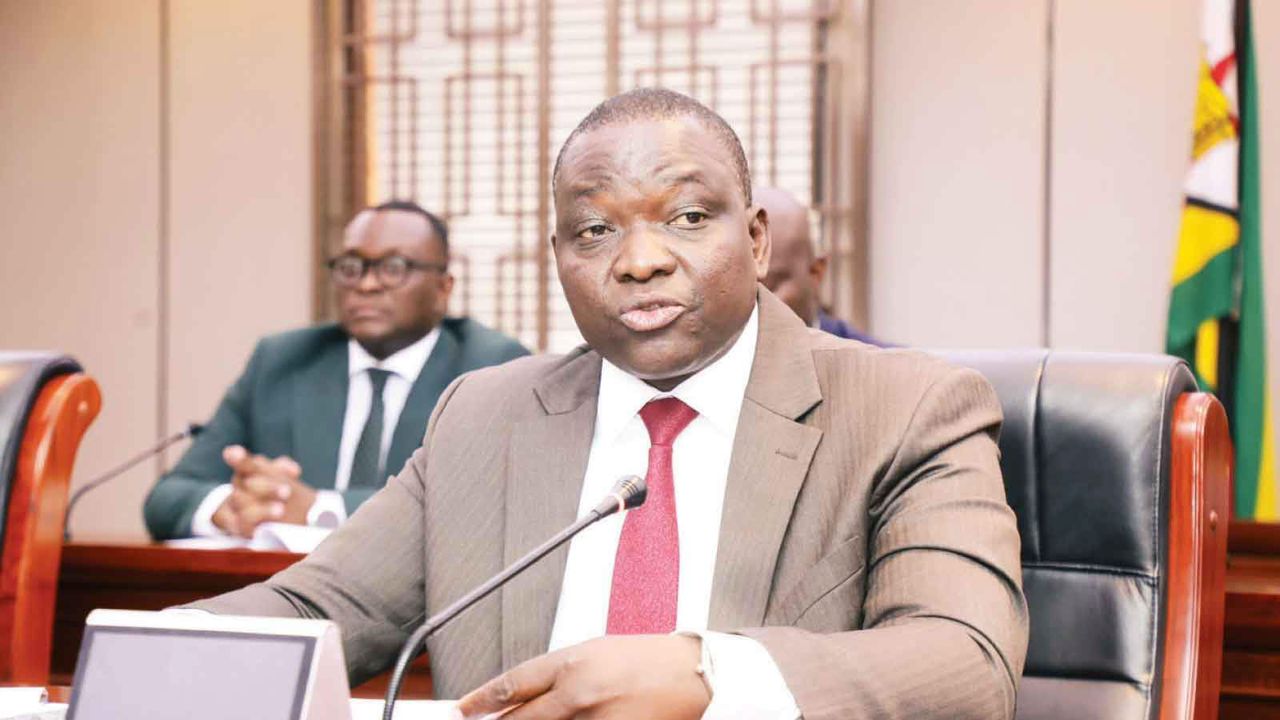
Addressing journalists the Minister of Information, Publicity and Broadcasting Services, Dr Zhemu Soda, said the policy would provide a unified approach involving Government institutions, the private sector, academic institutions and communities.
“The policy will, among other things, provide a single national framework for Government, the private sector, academia and communities to keep children safe online. It will ensure that all decisions and matters relating to children’s experiences in the digital space are aligned with the Constitution of Zimbabwe and the Children’s Act [Chapter 5:06],” said Dr Soda.
He added that the policy would strengthen accountability across society and introduce practical measures to reduce online risks faced by children.
“The policy will also promote accountability across all sectors of society and establish conditions and practical measures to mitigate online risks faced by children. Going forward, Government will promote relevant legislation with enforceable sanctions to safeguard children,” he said.
In a related development, Cabinet approved the National Youth Policy 2026-2030, which seeks to unlock the potential of Zimbabwe’s youthful population while addressing emerging challenges affecting young people.
The new policy is designed to strengthen youth participation in national development and create opportunities for economic empowerment.
Dr Soda said the framework reflects a modern approach to youth development by addressing contemporary issues that increasingly affect young people.
“In a strategic departure from the previous policy vision, the National Youth Policy 2026-2030 boldly prioritises interventions to address emerging issues such as drug and substance abuse, mental health, technological innovation, artificial intelligence, automation and climate change,” he said.
The policy also seeks to expand opportunities for youth entrepreneurship through improved access to financing, incubation programmes, business development services and market linkages.
Meanwhile, Cabinet also considered the Zimbabwe National Water Authority (ZINWA) Amendment Bill, which aims to improve efficiency and governance within the institution.
Dr Soda said the proposed amendments would separate ZINWA’s regulatory responsibilities from its service delivery functions.
“The principles will specifically entail the streamlining of ZINWA’s dual and conflicting roles as regulator and service provider. The regulatory function will be transferred to the Ministry, with ZINWA evolving into a purely service-providing agency of Government,” he said.
Cabinet further considered the Water Act Amendment Bill, which seeks to align existing legislation with constitutional provisions and support Zimbabwe’s broader development objectives.