European football has been plunged into one of its biggest governance crises in decades after UEFA unanimously backed the possibility of boycotting future FIFA competitions, including the FIFA World Cup, over controversial plans to introduce private investment into the commercial management of the tournament.
The unprecedented standoff follows FIFA’s proposal to create a new commercial entity—reportedly known as FIFA Forward Enterprise (FFE)—which would oversee the commercial rights of the World Cup and other FIFA competitions. Under the proposal, FIFA could sell up to a 20 percent stake in the business to external investors, with the governing body arguing that the move would unlock billions of dollars for football development worldwide.
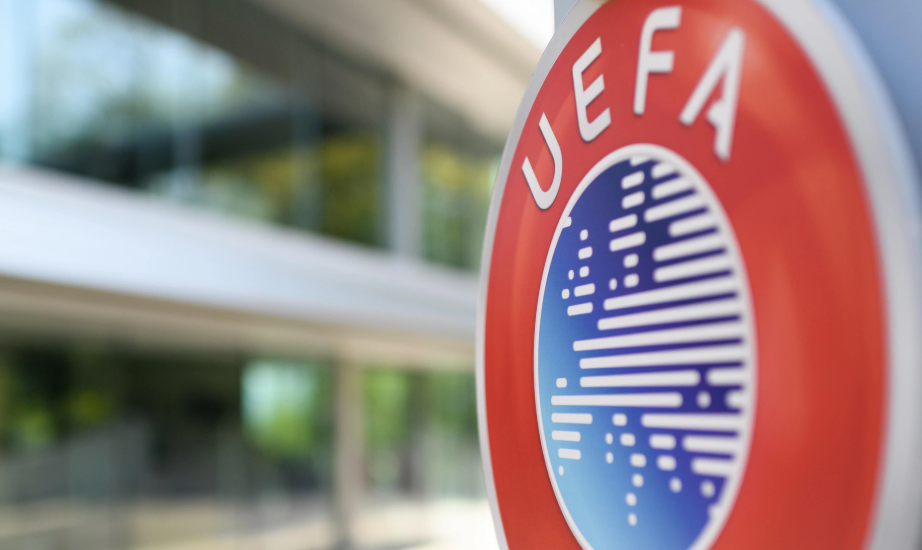
However, UEFA has strongly rejected the plan, arguing that football’s most prestigious tournament should never become partially owned by private investors.
Following an emergency meeting involving all 55 UEFA member associations, European football leaders voted unanimously to support a boycott of future FIFA competitions should the proposal proceed unchanged. UEFA said the World Cup represents a global sporting heritage rather than a commercial asset and accused FIFA of failing to properly consult continental confederations before unveiling the initiative.
The decision has the backing of major European football nations, including England, Spain, Germany, France and Italy, raising the prospect of a World Cup without many of the sport’s traditional powerhouses if the dispute cannot be resolved.
FIFA President Gianni Infantino has defended the proposal, insisting that the organization is “not selling football” but instead exploring new ways to increase investment and generate additional funding for its 211 member associations. FIFA says any proposal will ultimately require approval through its democratic governance structures and maintains that sporting decisions would remain under FIFA’s control.
The growing divide has exposed deep tensions between FIFA and UEFA over the future governance of world football. UEFA argues that introducing private equity into the World Cup risks prioritizing commercial returns over the long-term interests of the sport, while FIFA believes new investment could significantly expand development funding across emerging football nations.
The dispute could have consequences beyond the men’s World Cup. UEFA’s boycott threat extends to all FIFA competitions, potentially affecting upcoming youth tournaments and the FIFA Women’s World Cup if an agreement cannot be reached. Other regional confederations, including CONCACAF and the Asian Football Confederation, have also expressed concerns over the proposal and the lack of consultation surrounding it, although they have not formally joined UEFA’s boycott stance.
Football analysts believe the coming weeks will be critical as FIFA consults its member associations ahead of any formal vote on the proposal. Should negotiations fail, the sport could face its most significant institutional split since previous disputes over international competition formats, with the participation of Europe’s leading football nations in future World Cups hanging in the balance.