Government’s dam economy concept is gathering momentum in Matabeleland South Province, with seven village business units now operational along the Mtshabezi Dam pipeline.
This development marks a bold step under the National Development Strategy (NDS1) food and nutrition security cluster, which seeks to boost food self-sufficiency, improve nutrition and strengthen communities’ resilience against climate change.
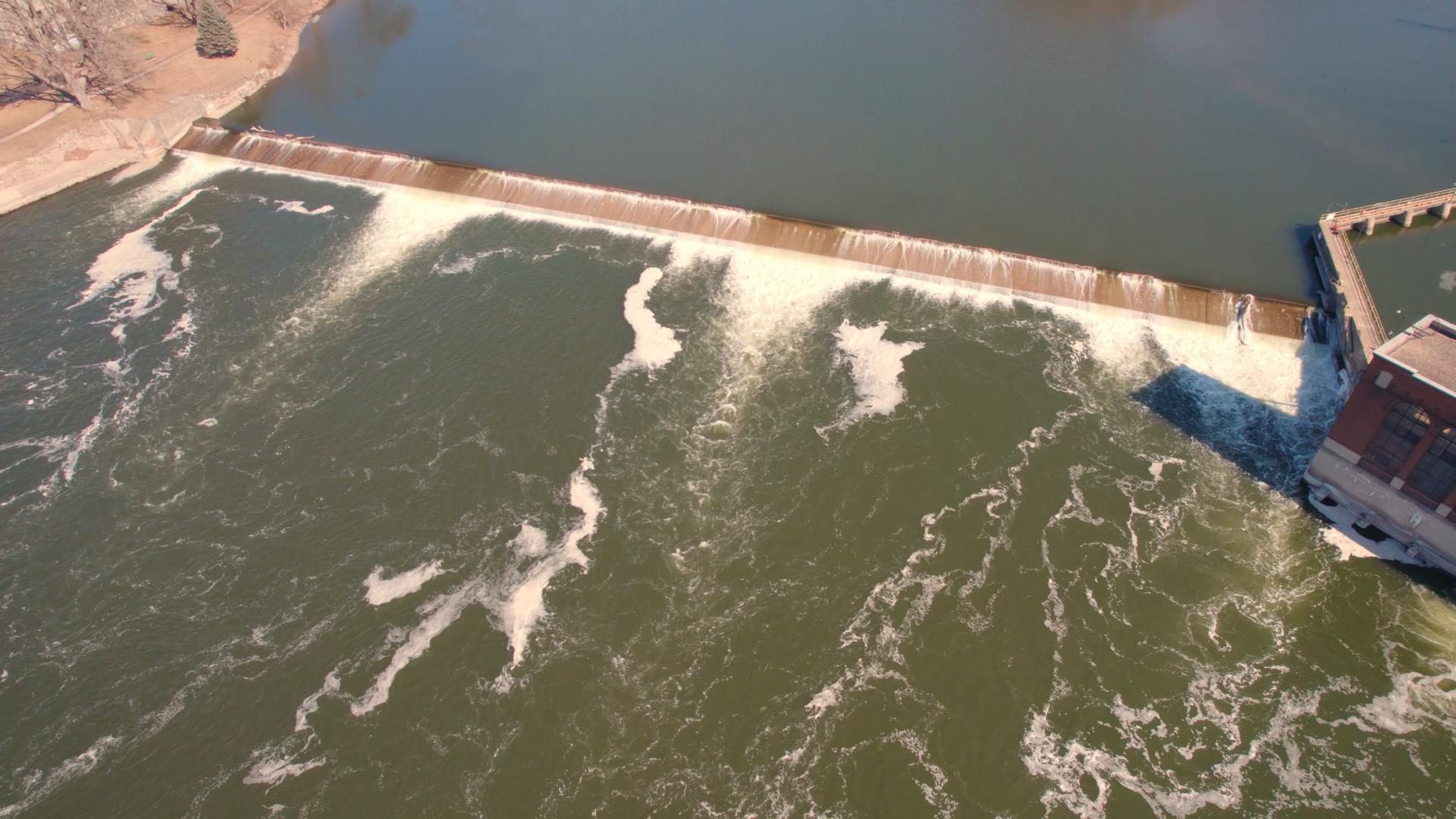
Mtshabezi Dam, which supplies water to Bulawayo, has evolved into a vital economic anchor for the region. Beyond conveying water for domestic use, the dam now supports irrigation schemes, village business units, fisheries, and growing tourism activity.
In addition to the 50 million cm³ of water channelled to the city, the pipeline has been instrumental in stimulating multiple economic activities across Matabeleland South.
“This is one of the key drivers of the province’s economy. The dam supplies water to Mtshabezi, Zidlabusiku and Mzinyathini irrigation schemes, seven village business units along the pipeline, and during summer we see many tourists engaging in activities that are critical to our local economy,” said Agritex Deputy Director Mkunjulelwa Ndlovu.
One of the seven business units, Ntshene Village Business Unit, has become a standout example of how the dam economy is transforming livelihoods. Local residents have welcomed the project’s positive impact.
“Our Mtshabezi Dam has changed our lives. We are growing various crops, and we are happy that water is finally reaching us. We even have a reservoir fed from the pipeline for our cattle,” said one community member.
Another added: “We never imagined having fresh mealies in December, but now it is possible.”
The dam economy concept has therefore moved beyond theory. It is a practical, measurable reality, one that is reshaping rural communities, enhancing economic opportunities, and demonstrating how strategic water infrastructure can drive inclusive development.