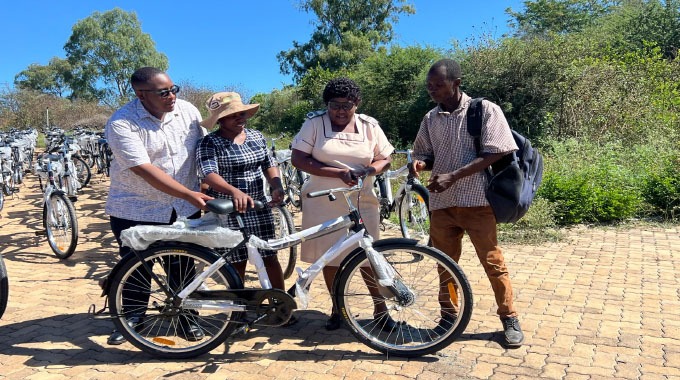
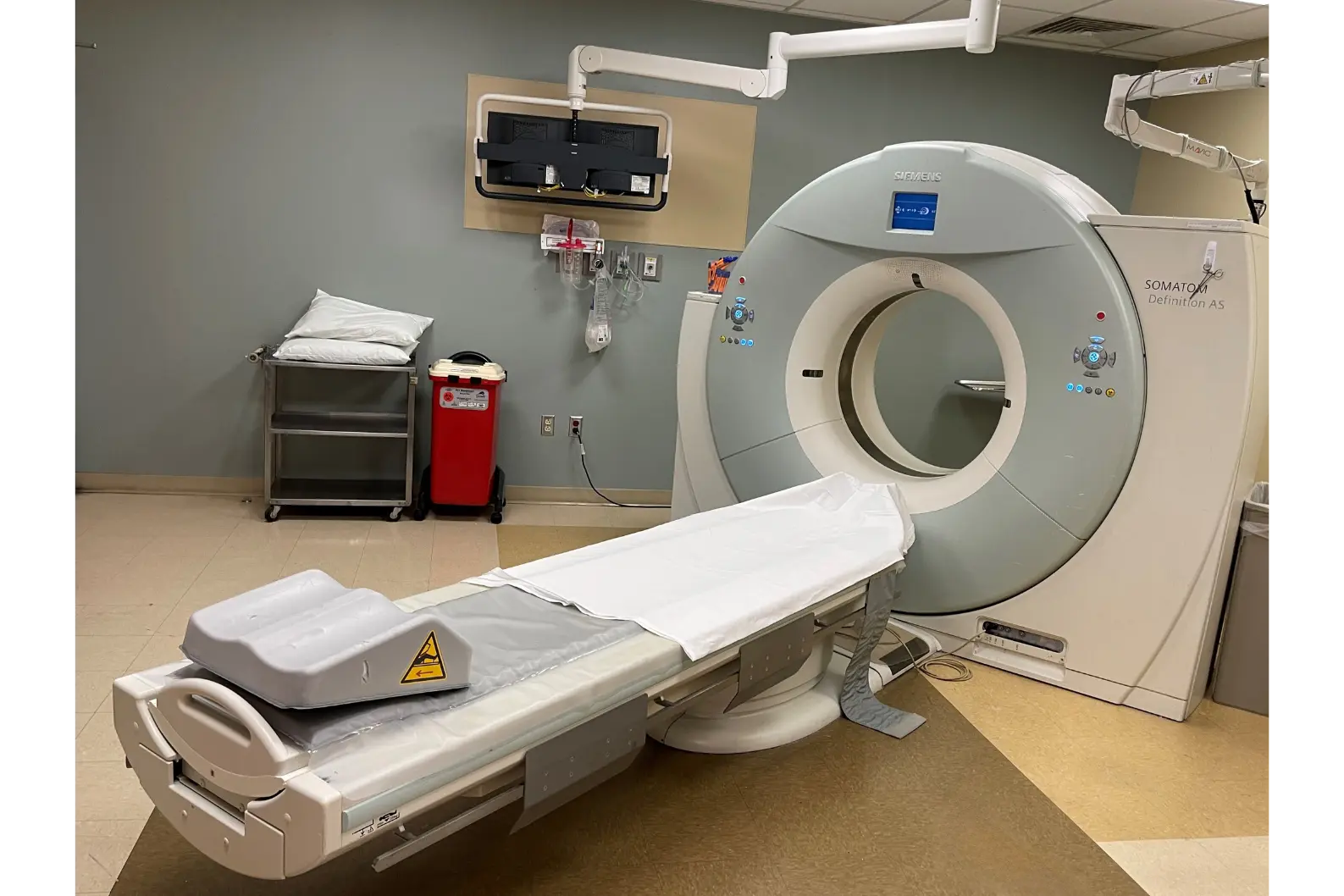
Collaborative efforts between the Government, the United Nations Development Programme and the Global Fund are improving healthcare delivery at Hauna District Hospital in Manicaland Province, with the institution recording zero maternal deaths over the past four years.
In a statement released yesterday, UNDP Zimbabwe said improved facilities and collaborative support were playing a critical role in enhancing healthcare outcomes at the district hospital.
“Strong partnerships are helping strengthen Zimbabwe’s health system and improve maternal health outcomes,” said UNDP Zimbabwe.
At Hauna District Hospital in Manicaland, improved facilities supported through the Government of Zimbabwe, UNDP Zimbabwe and the Global Fund are transforming service delivery contributing to zero maternal deaths over the past four years,”the organisation noted
UNDP Zimbabwe said investments in health infrastructure and service delivery systems were improving access to quality maternal healthcare while enhancing the capacity of healthcare workers to respond to emergencies.
“The improvements at Hauna District Hospital demonstrate the impact of coordinated investment in resilient and people-centred healthcare systems.
Strengthening district-level facilities is essential in ensuring that women and communities can access quality healthcare services closer to where they live,”the statement read
The agency added that partnerships with Government and international development partners remained critical in advancing sustainable health outcomes and supporting Zimbabwe’s broader health sector goals.
“Collaborative efforts continue to play a key role in expanding access to essential healthcare services, improving patient outcomes and reinforcing the capacity of local health institutions,” said UNDP Zimbabwe.
The achievement at Hauna District Hospital comes as Zimbabwe continues implementing reforms and investment programmes aimed at strengthening healthcare systems and accelerating progress towards universal health coverage.
Government has in recent years intensified collaboration with development partners to improve health infrastructure, particularly in rural districts, while addressing maternal and child health challenges.