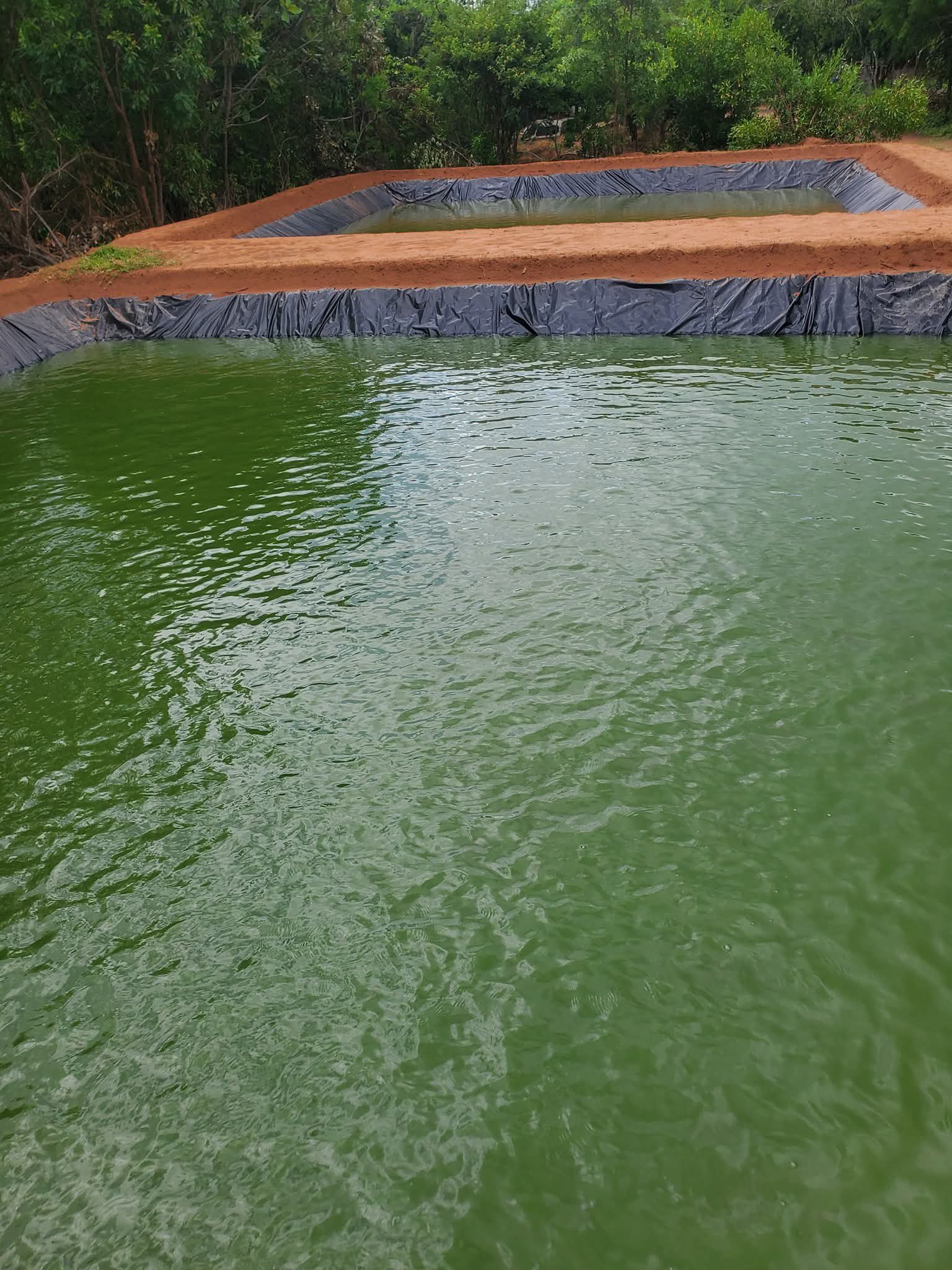
Zimbabwe’s fisheries and aquaculture sector is on a firm growth path as the Government strengthens partnerships with the private sector to build a US$1 billion industry driven by innovation, feed production and sustainable farming practices.
Deputy Minister of Lands, Agriculture, Fisheries, Water and Rural Development Hon. Davis Marapira said aquaculture has become one of the fastest-growing food production sectors and plays a key role in food security, job creation and income generation for rural communities.
“Aquaculture is one of the fastest-growing food production sectors. It supports food security, creates jobs, and generates income for rural communities. Partnerships like FinFish and Aller Aqua bring the right expertise and technology to help our farmers grow efficiently and sustainably,” said Hon. Marapira.
Zimbabwe currently produces around 32,000 metric tonnes of fish annually, mainly tilapia and crocodiles, and targets to double production to 60,000 tonnes in the next few years. Feed accounts for about 70 percent of production costs, making it a major constraint for farmers.
A partnership between FinFish Suppliers and Aller Aqua of Denmark is expected to ease this challenge by providing affordable, high-quality fish feed locally. The collaboration aims to improve growth rates, shorten production cycles and enhance profitability for both small-scale and commercial farmers.
FinFish Suppliers Director and CEO Mr. Tinashe Chihota said the company plans to establish a 30,000-tonne fish feed plant in Zimbabwe, which will create employment and strengthen the local aquaculture value chain.
“This partnership will empower farmers with reliable and efficient feed solutions for stronger returns while reducing our dependence on imports,” said FinFish Business Development Director Charles Satande.
Fisheries and Aquaculture Department Director Mr. Milton Makumbe said the sector is already creating jobs and livelihoods across hatcheries, feed manufacturing, harvesting and processing, particularly for youth and women in rural areas.
“By working together, we are building a resilient, inclusive and competitive aquaculture industry one that contributes meaningfully to Zimbabwe’s economic transformation and food security,” he said. As Zimbabwe moves toward its US$1 billion aquaculture goal, efforts are being made to expand beyond tilapia and crocodiles to include catfish and trout farming, while promoting sustainability and investment across the entire