Zimbabwe’s agricultural sector is showing renewed momentum, with the latest government assessment confirming solid gains across crops, livestock and horticulture. This was revealed during the Fourth Post-Cabinet briefing held in Harare on Tuesday.
Information, Publicity and Broadcasting Services Minister Dr Zhemu Soda said the new data demonstrates the effectiveness of ongoing food security strategies.
He stated that the first round of the Crop, Livestock and Fisheries Assessment Report “reflects clear milestones achieved under the government’s agricultural transformation policies.”
Dr Soda noted that the survey, carried out by the Zimbabwe National Statistics Agency, adopted a whole-of-government approach to track national performance.
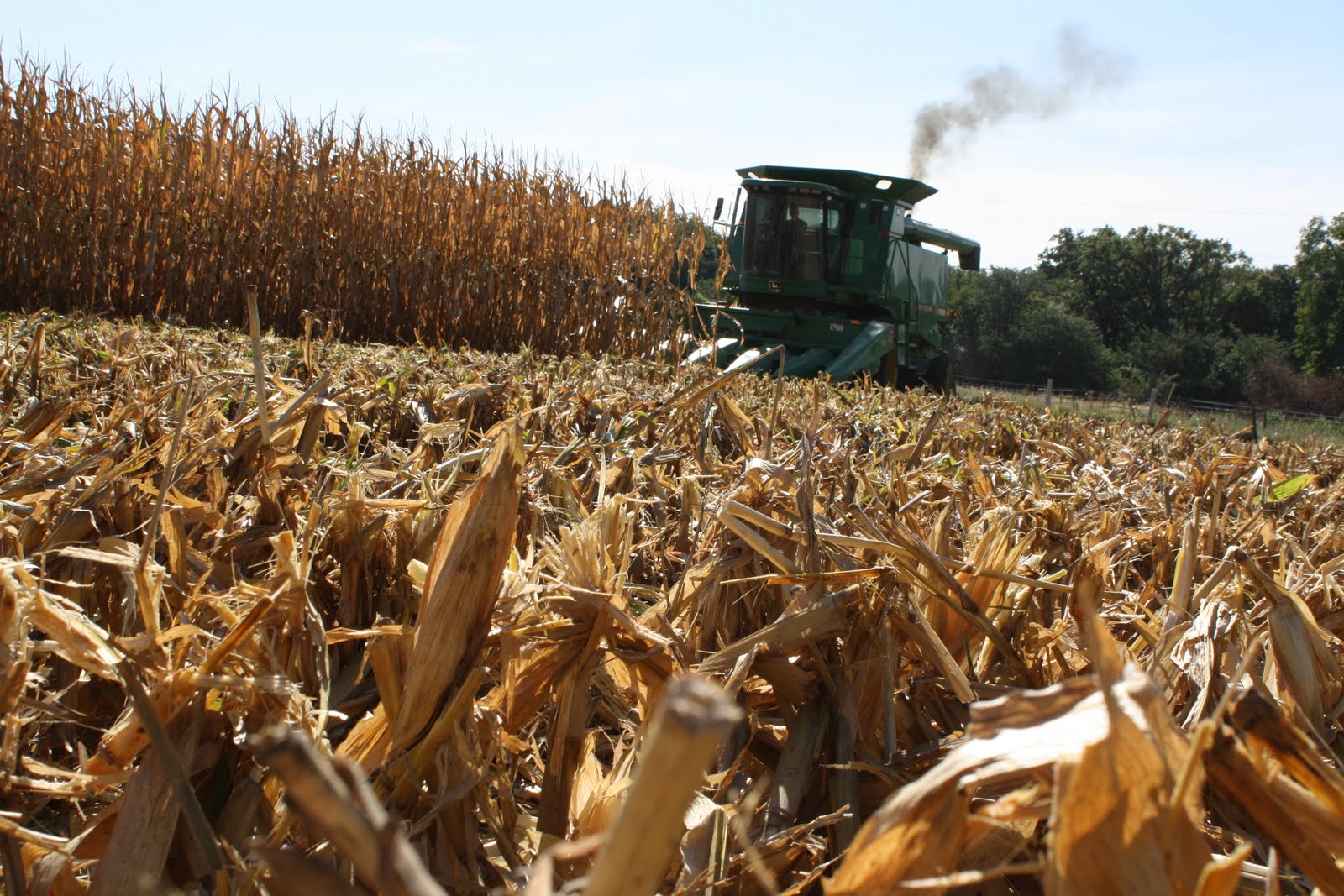
According to him, “the area cultivated under staple cereals expanded from the targeted 2 427 000 hectares to 2 488 449 hectares in the 2025/26 agricultural season.”
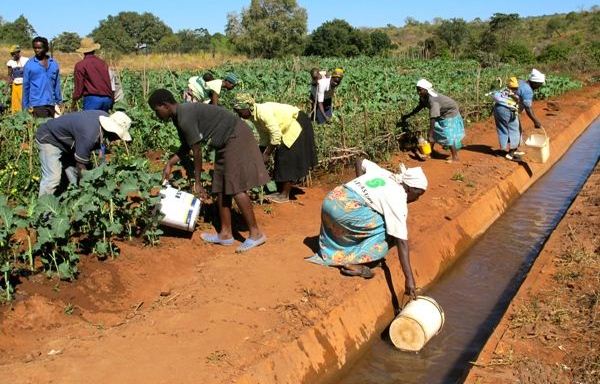
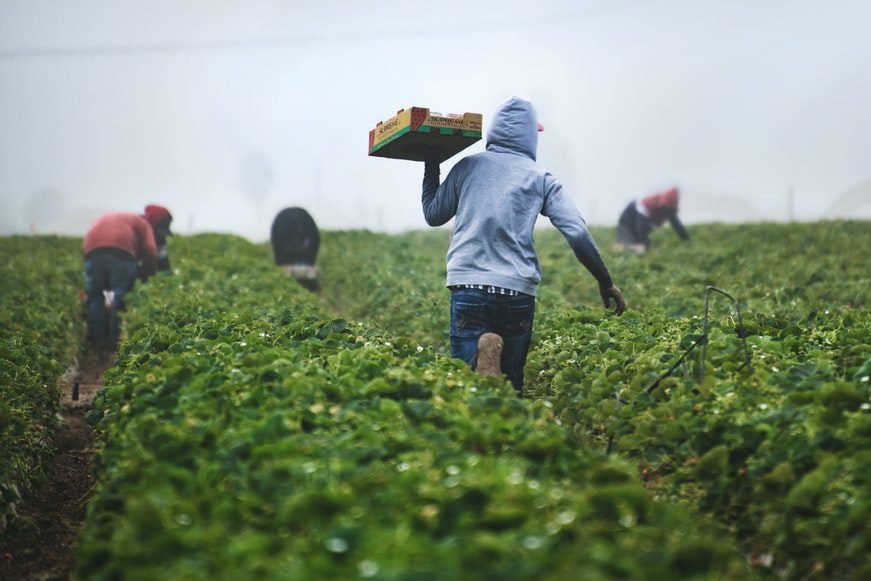
Horticulture continued its upward climb, with mango output rising by 17 percent, avocado and blueberries each increasing by 11 percent, and oranges and pecan nuts registering 10 percent growth.
Livestock production also recorded gains. Dr Soda highlighted that the national beef cattle herd grew by 0.3 percent, moving from 5 741 397 in 2024 to 5 760 678 in 2025, while the dairy herd expanded by 7.5 percent, increasing commercial raw milk by 6.2 percent.
Beyond agriculture, Dr Soda also highlighted progress in enforcing the ban on alluvial mining and rehabilitating degraded river ecosystems.
According to the submission, enforcement of Statutory Instrument 188 of 2024 has intensified under a coordinated, whole-of-government monitoring system.
Dr Soda informed that “active mechanized alluvial mining has largely been halted in all high-risk provinces,” marking a major step in protecting rivers.
However, small-scale illegal incursions persist, prompting authorities to deploy specialised crack teams. Officials noted that “operations to eliminate the remaining threats and restore riverine ecosystems are ongoing.”
To consolidate progress, Cabinet approved the drafting of a stronger legislative framework to accelerate river rehabilitation. In addition, Cabinet endorsed the ban on raw mineral exports and lithium concentrates, a move designed to promote domestic beneficiation and retain value within the country.