
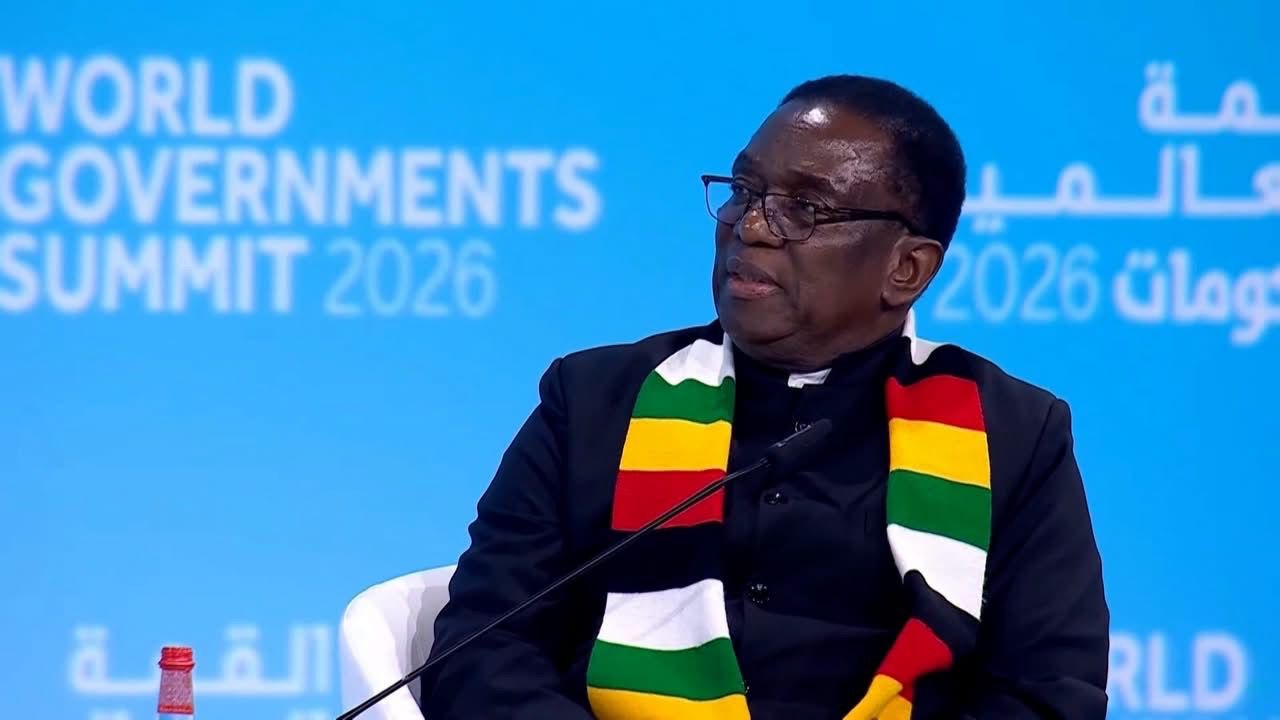
President Emmerson Mnangagwa continues to position Zimbabwe as an influential player on the global stage, with the country set to assume the chairmanship of the Common Market for Eastern and Southern Africa (COMESA) later this year.
The development comes on the back of Zimbabwe’s election to a non-permanent seat on the United Nations Security Council (UNSC), a significant diplomatic milestone that has further elevated the country’s international standing.
Speaking on Zimbabwe’s foreign policy direction, President Mnangagwa said the Government remains committed to constructive international engagement.
“On the international front, our party-led Government remains anchored on the philosophy, ‘a friend to all and an enemy to none’ as we advocate for multilateralism, shared development, sustainable peace and security, as well as uninterrupted global supply chains,” said President Mnangagwa.
Under the Second Republic, Zimbabwe has continued to strengthen its profile as a respected voice in regional and global affairs.
President Mnangagwa’s tenure as Chairperson of the Southern African Development Community (SADC) from August 2024 to August 2025 was marked by active diplomatic engagement, particularly efforts aimed at promoting peace and stability in the Democratic Republic of Congo (DRC).
Analysts say Zimbabwe’s successful campaign for a non-permanent seat on the UNSC was built on the credibility gained through its regional leadership role and commitment to peacebuilding initiatives.
Zimbabwe secured 182 votes out of a possible 190 during the election held in New York last week, reflecting broad international confidence in the country’s ability to contribute meaningfully to global peace and security discussions.
The country’s diplomatic profile is expected to rise even further when President Mnangagwa assumes the COMESA chairmanship from Kenyan President, H.E. William Ruto, in October.
International Relations Analyst Jimmy Murwira said Zimbabwe’s growing international recognition is rooted in achievements at home.
“Every global milestone achieved stems from domestic success. This President has achieved a lot domestically through intentional policy initiatives, and the region and the world are now witnessing and respecting the progress being made in Zimbabwe. That has strengthened the country’s voice and influence on both regional and global platforms,” said Murwira.
Political Scientist, Richard Mahomva said President Mnangagwa’s strategic approach to foreign policy had transformed Zimbabwe’s international image.
“For years, Zimbabwe’s foreign policy was more rhetoric than scientific and strategic. President Mnangagwa recalibrated it into a framework that is intentional, sound and strategic. That recalibration has revived the image of the country and earned respect from nations across the region and beyond,” said Mahomva.
He added that Zimbabwe’s leadership under SADC contributed to key regional initiatives, including efforts that culminated in the inaugural SADC-East African Community joint summit on the security situation in the DRC.
South African International Relations, Expert Dr Levy Ndou welcomed Zimbabwe’s election to the UNSC, saying it presents an opportunity for Southern Africa’s concerns to be represented at the highest level of global decision-making.
“It is good news for Zimbabwe to be in the UNSC. It is not easy for countries to secure a seat on the Council. Zimbabwe’s presence is significant because the voice of SADC will be heard, and the expectation is that it will raise issues that speak to the realities and interests of the region,” said Dr Ndou.
Observers say the Second Republic’s ‘Friend to All, Enemy to None’ philosophy, coupled with the Engagement and Re-engagement policy, has become a cornerstone of Zimbabwe’s diplomatic success, helping to strengthen relations with nations across the world and expand the country’s influence in international affairs.

This is yet another sign that Zimbabwe’s engagement and re-engagement efforts continue to bear fruit, placing the country firmly at the centre of Africa’s development agenda. Congratulations to President Mnangagwa and the people of Zimbabwe on this historic achievement.