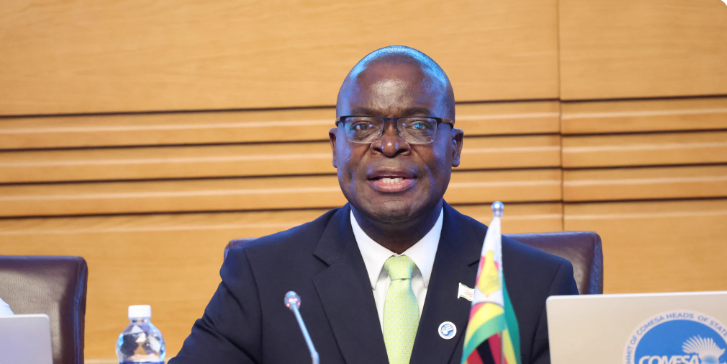
The Minister of Energy and Power Development, July Moyo, has highlighted Zimbabwe’s strategic importance in Southern Africa’s electricity trading system, saying the country remains central to regional energy integration efforts through its role in the Southern African Power Pool (SAPP).
Speaking on the sidelines of the St. Petersburg International Economic Forum 2026, Moyo said Zimbabwe occupies a unique position within the regional power network, serving both as the host of the SAPP market and as the key transmission corridor linking electricity systems across Southern Africa.
The Southern African Power Pool was established in 1995 by member states of the Southern African Development Community (SADC) to facilitate cooperation in electricity generation, transmission and trading. Today, it is widely regarded as Africa’s most advanced regional power market.
“We started this Southern African Power Pool in 1995. Our presidents agreed that we have to strengthen the power pool as a marketing tool, as a trading tool and it needs strengthening,” Moyo said.
He noted that while Africa has five regional power pools, so far, the Southern African Power Pool has made the greatest progress in promoting cross-border electricity trading and market integration.
“There are five power pools in Africa. This is the most advanced power pool,” he said.
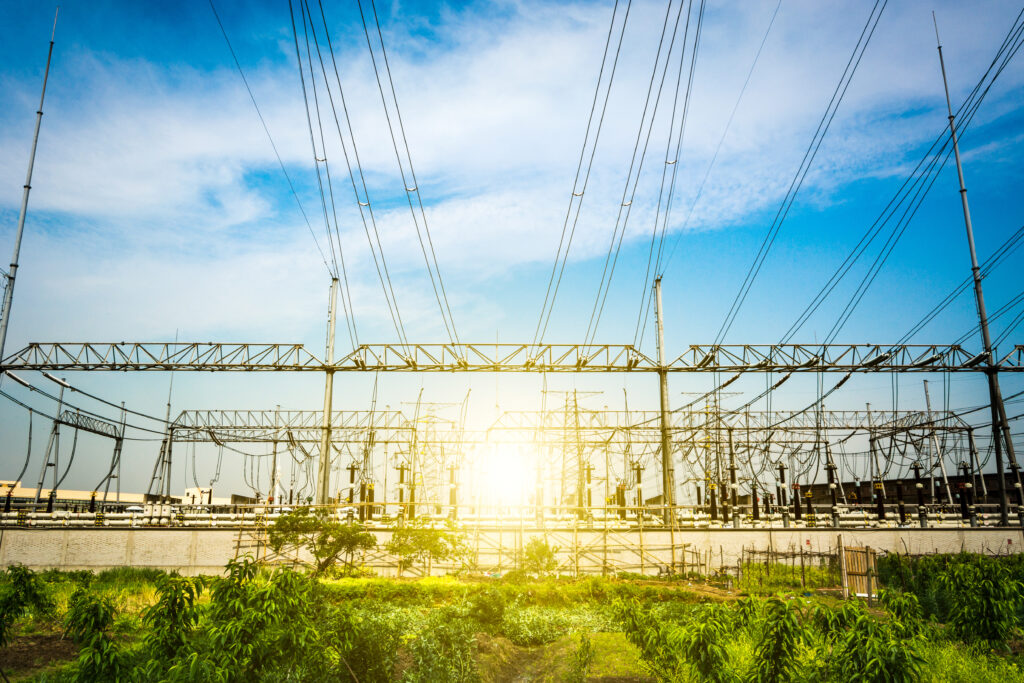
Moyo said Zimbabwe’s contribution to the regional electricity market extends beyond hosting the institution’s headquarters. The country’s transmission network serves as a vital bridge connecting power systems in the northern and southern parts of the region.
“Zimbabwe, which is hosting the Southern African Power Pool, plays two major roles. First, this is where the market takes place and secondly, this is where the transmission lines that intercede between the south of the power pool and the north of the power pool are located,” he said.
“All the interconnections run through Zimbabwe.”
The minister explained that Zimbabwe’s central geographical location enables electricity generated in one part of the region to be transmitted efficiently to countries experiencing shortages, helping to improve regional energy security and reliability.
As Southern African countries continue to face growing electricity demand, governments and utilities are increasingly looking to regional cooperation as a solution to power deficits and supply challenges. Through the Southern African Power Pool, member states can buy and sell electricity across borders, allowing countries with surplus generation to support those facing shortages.
Moyo said strengthening the regional power pool would remain critical as countries invest in new generation projects, renewable energy developments and transmission infrastructure. He added that Zimbabwe’s position at the centre of the regional grid places it at the heart of efforts to build a more integrated, efficient and resilient Southern African electricity market capable of supporting economic growth and industrial development across the region.