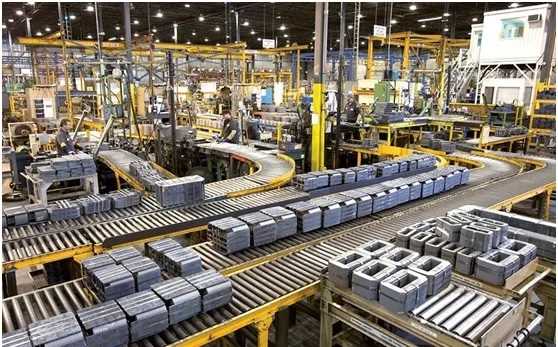
Zimbabwe’s manufacturing sector continues to demonstrate resilience and growth in creating new jobs and attracting fresh investment, with one in every five manufacturing firms now comprising new entrants that have been operating for less than five years, Confederation of Zimbabwe Industries (CZI) has said.
Speaking on the latest trends in the sector, CZI’s Chief Economist, Dr Cornelius Dube said the growing number of new manufacturers entering the market was a strong indicator of increasing entrepreneurial activity and investor confidence in Zimbabwe’s industrial sector.
“Twenty percent of manufacturing operators are new entrants that have been in operation for less than five years. This reflects continued business growth and entrepreneurship within the sector and shows that manufacturing remains an attractive area for investment,” said Dr Dube.
He noted that the emergence of new firms was helping to broaden the country’s industrial base while creating opportunities for employment and economic expansion.
“The entry of new operators into manufacturing demonstrates the sector’s dynamism and its capacity to accommodate innovation, investment and production growth. New businesses bring fresh ideas, new technologies and additional productive capacity, all of which contribute to industrial development,” he said.
Dr Dube said the sector had also made a significant contribution to employment creation during the year, generating an average of five new jobs per firm.
“The manufacturing sector generated an average of five new jobs per company in 2025. This translated into a six percent increase in net manufacturing employment during the year, highlighting the sector’s role as a key source of livelihoods for Zimbabweans,” he said.
He said the employment gains were evidence that manufacturing remained an important pillar of economic growth and national development.
“Job creation within manufacturing has positive spillover effects across the economy. As firms expand operations, they create demand for raw materials, transport services, logistics and other supporting industries, resulting in broader economic benefits,” said Dr Dube.
He added that sustained investment in productive sectors was critical for accelerating industrialisation and improving competitiveness.
“Continued investment in manufacturing is essential for enhancing productivity, increasing exports and strengthening value addition. The sector remains central to Zimbabwe’s aspirations for inclusive and sustainable economic growth,” he said.
The sustained entry of new players into the manufacturing sector underscores growing investor confidence and continued industrial diversification, with the sector expected to remain a key driver of job creation and economic expansion as Zimbabwe advances its industrialisation agenda.