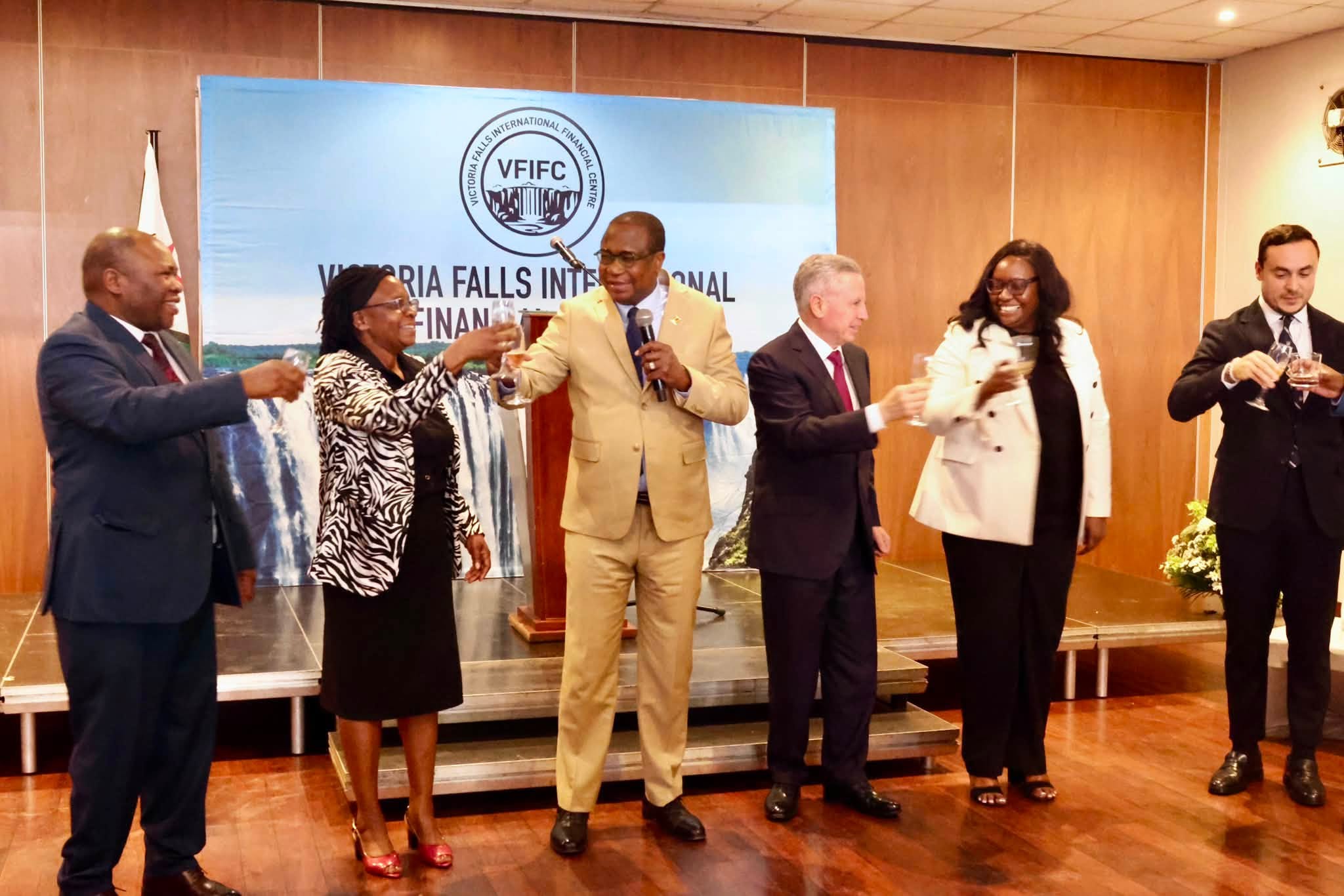
Zimbabwe is advancing its economic reform and re-engagement agenda at the IMF/World Bank Spring Meetings 2026 running from April 13 to 18, 2026, in Washington.
In a statement, yesterday, the Minister of Finance, Economic Development and Investment Promotion, Professor Mthuli Ncube, said the high-level meetings, provide a critical platform for Zimbabwe to consolidate its reform trajectory and strengthen international engagement.
“The IMF/World Bank Spring Meetings 2026 are underway in Washington, with Zimbabwe’s delegation focusing on growth, jobs, and resilience.
These engagements are key in reinforcing confidence in our reform programme and aligning our economic priorities with global best practices,” he said.
He highlighted that the meetings coincide with a 10-month Staff-Monitored Program designed to underpin macroeconomic stability.
“The programme anchors reforms around fiscal discipline, foreign currency reserve protection, controlled borrowing, and safeguarding social spending, all aligned to the National Development Strategy 2,” Professor Ncube added.
Providing an update on progress, the Minister said Government had made notable strides in stabilising the economy.
“We have achieved single-digit inflation, contained domestic debt levels, and strengthened tax administration and public financial management systems.
These milestones demonstrate our commitment to prudent economic management and reform implementation,” he said.
Professor Ncube added that authorities are pursuing further measures to deepen stability.
“We are targeting up to 30 percent domestic debt reduction while implementing a national pricing framework to enhance transparency and predictability in the market.
“These interventions are meant to sustain macroeconomic gains and support private sector confidence,” he noted.
On re-engagement with international financial institutions, the Minister said dialogue remains active.
“Engagements with the World Bank and the African Development Bank are ongoing, particularly on arrears clearance financing,” he said.
He acknowledged feedback from the International Monetary Fund, which recognised Zimbabwe’s reform efforts but urged continued vigilance.
“The IMF acknowledged the progress we have made but emphasised the need to remain alert to external shocks, especially rising fuel prices, and to maintain the momentum of reforms,” Professor Ncube said.
Zimbabwe is implementing economic reforms under the National Development Strategy 2, aimed at achieving macroeconomic stability, inclusive growth and upper-middle-income status by 2030, while working to normalise relations with international lenders through arrears clearance and sustained policy discipline