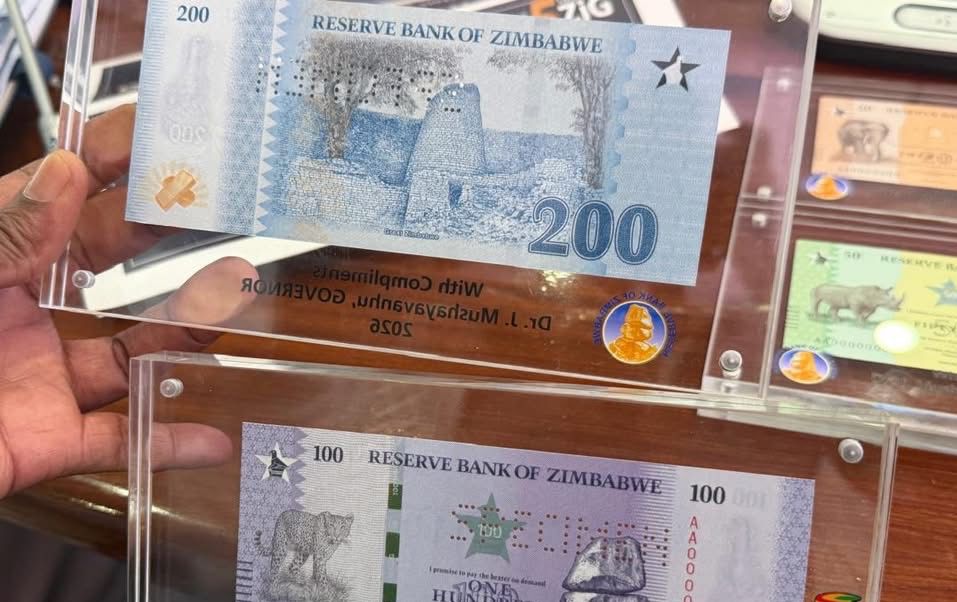
The Reserve Bank of Zimbabwe (RBZ) has injected more than US$1.6 billion into the interbank foreign exchange market since April 2024 as part of ongoing efforts to stabilise the Zimbabwe Gold (ZiG) currency and meet rising foreign-currency demand across key sectors.
The figures were revealed during the Zimbabwe Impact Investment Dialogue, held on the sidelines of the Zimbabwe International Trade Fair (ZITF), on Tuesday. The intervention forms part of wider policy measures introduced to buttress the domestic currency following its launch earlier this year.
Authorities said the injections have strengthened exchange-rate stability, improved access to forex for productive imports, and supported broader economic activity particularly in manufacturing and industrial value chains.
Permanent Secretary for Presidential Affairs and Devolution in the Office of the President and Cabinet, Engineer Tafadzwa Muguti, emphasised the need for Zimbabwe to transition towards investment-led growth.
“We need to transition from aid to investment. We must understand the kind of capital we want and ensure development starts at grassroots level. The aim is to strengthen devolution, reduce dependency on the fiscus and advance the Sustainable Development Goals,” he said.
He stressed that policy consistency and fiscal equalisation remain vital for building durable economic resilience.
RBZ Deputy Governor, Dr Innocent Matshe, reaffirmed the central bank’s commitment to sustaining currency stability and strengthening investor confidence.
“We need strong partnerships to attract the right level of capital. Impact investment is key as it facilitates job creation, macroeconomic stability and confidence. Financial stability is the way forward,” he said.
Dr Matshe added that the introduction of the ZiG currency is a deliberate step toward enhancing economic credibility and that impact-aligned financial instruments will play a key role in supporting growth.
UNDP Resident Representative, Dr Ayodele Odusola, urged Zimbabwe to channel investment toward long-term, transformative development rather than short-term transactions.
“Zimbabwe needs investment that supports transformation, not only transactions. Impact investing can mobilise private capital for national development priorities, but this requires credible data, strong partnerships, de-risking, investable pipelines and a clear commitment to measurable results,” he said.
Dr Odusola added that the United Nations Development Programme (UNDP) will continue partnering with the Government, the Zimbabwe Investment and Development Agency (ZIDA), financial institutions and development partners to strengthen Zimbabwe’s impact investment ecosystem.
The dialogue also provided a platform for stakeholders to assess economic performance, identify emerging challenges and propose strategies to boost exports and diaspora remittances as Zimbabwe positions itself for investment-led growth.
.