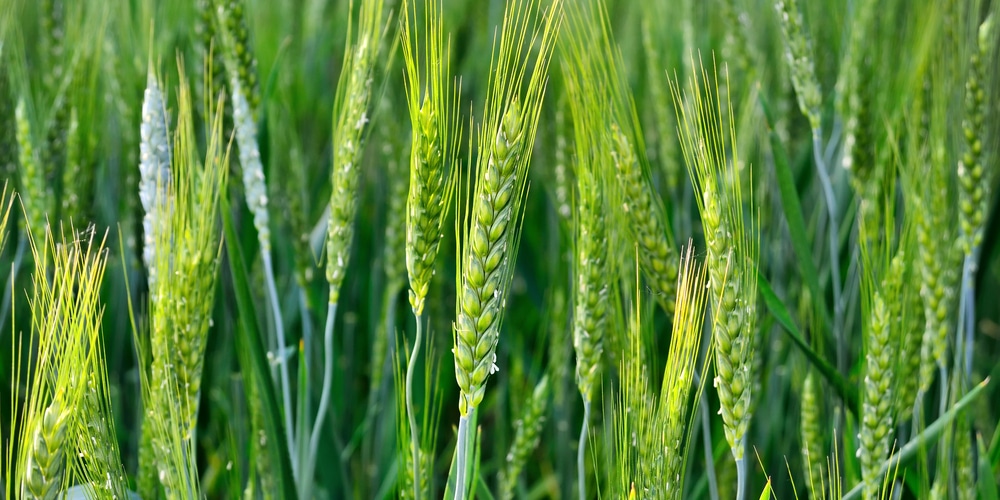
Mashonaland Central has surpassed its winter wheat target after planting about 28 000 hectares against a target of 25 000 hectares last season, emerging as the country’s top producing province.
ARDAS Chief Director Mrs Medlinah Magwenzi said the achievement reflects the commitment of farmers and coordinated efforts across the sector.
“Mashonaland Central planted above its target. This is a clear indication of the hard work by our farmers and stakeholders,” she said.
The province overtook Mashonaland West, which has traditionally been the leading wheat producer.
Speaking at a winter wheat seminar in the province, Mrs Magwenzi said she had deliberately attended the meeting to engage directly with farmers and other stakeholders ahead of the new season.
“I came here to interface with farmers, seed houses, contractors and leadership so that we plan together for this coming season,” she said.
She said the strong performance played a key role in supporting national food security, particularly during last season’s El Niño-induced drought.
“Our wheat farmers were the best source of feed during the El Niño period, and this shows how important this crop is to the country,” she said.
Turning to the current season, Mrs Magwenzi said preparations were at an advanced stage, with inputs already in place.
“Compound D, fertilisers and Presidential Input Programme supplies are already at Grain Marketing Board depots and farmers are now collecting,” she said.
Inputs under the Agricultural and Rural Development Authority (ARDA) and other contractors are also ready for collection, positioning farmers for a timely start to planting.
However, she noted that water availability remains a concern due to low levels at Mazowe Dam following late rains.
“We may have challenges with water, but we are confident that farmers will utilise alternative sources and still meet their targets,” she said.
Magwenzi said key enablers are already in place to support the programme.
“We have support from ZESA, ZINWA, irrigation, mechanisation and pest control, so we expect a successful season,” she said.
She added that the focus is now on sustaining and improving performance across all provinces, including the Midlands, where similar farmer engagements are underway.
The Government has, in recent years, intensified efforts to boost winter wheat production as part of its drive towards national food self-sufficiency. Through programmes such as the Presidential Input Scheme, timely distribution of seed and fertilisers via the Grain Marketing Board, and expanded support under the Agricultural and Rural Development Authority, authorities are strengthening production capacity. Investments in irrigation rehabilitation, reliable power supply from ZESA and improved water management by ZINWA are also helping farmers sustain output despite climate challenges, positioning wheat as a key pillar in securing Zimbabwe’s long-term food security.