Zimbabwe has officially assumed the chairmanship of the Kavango Zambezi Transfrontier Conservation Area (KAZA TFCA), with high-level regional meetings currently underway in Victoria Falls aimed at strengthening cooperation in wildlife conservation, tourism development and community empowerment among member states.
The meetings, taking place from 8 to 12June, have brought together ministers, senior government officials and conservation experts from Angola, Botswana, Namibia, Zambia and Zimbabwe. The gathering seeks to assess progress made on key regional programmes while mapping out future strategies for one of Africa’s most significant conservation initiatives.
As the new chair of the regional bloc, Zimbabwe is spearheading discussions on enhancing cross-border collaboration in combating wildlife crime, improving benefits for communities living alongside wildlife and promoting tourism integration as a catalyst for economic growth across the region.
In a statement, the Zimbabwe Parks and Wildlife Management Authority (Zimparks) said hosting the meetings reflected the country’s commitment to regional cooperation and sustainable management of shared natural resources.
“Zimbabwe is proud to host this year’s Kavango Zambezi Transfrontier Conservation Area (KAZA TFCA) Structure Meetings, bringing together the Joint Management Committee, the Committee of Senior Officials and the Ministerial Committee, a clear demonstration of the five partner states’ collective commitment to regional cooperation, sustainable natural resource management and the advancement of transboundary conservation,” said Zimparks.
Delegates are reviewing progress made in implementing resolutions adopted during the 2024 KAZA Summit held in Zambia. The meetings are also examining achievements recorded in project implementation, while addressing challenges related to funding, resource mobilisation and long-term programme sustainability.
“As part of the strategic discussions, participants will review the progress made in implementing directives from the KAZA Heads of State following the successful KAZA Summit held in Zambia in 2024. They will also discuss achievements and challenges related to project implementation, financial sustainability and fundraising efforts,” reads the statement.
A key priority on the agenda is strengthening regional coordination in the fight against poaching and wildlife trafficking. Member states are exploring ways to harmonise policies, improve information sharing and enhance cooperation among law enforcement agencies to protect the region’s rich biodiversity.
According to Zimparks, “the meetings will also focus on strengthening regional efforts to combat wildlife trafficking and poaching through coordinated policies and enhanced cooperation among partner states.”
Another major area of focus is expanding community-based conservation programmes. Regional leaders are seeking to ensure that communities living within and around conservation areas derive greater social and economic benefits from sustainable natural resource management.
“Attention will also be directed towards enhancing community-based conservation initiatives to ensure local communities benefit more from sustainable natural resource utilisation, while promoting tourism integration to support inclusive economic growth,” the authority said.
Tourism development remains a central pillar of discussions, with member states exploring opportunities to strengthen cross-border tourism packages and improve connectivity between destinations. Increased tourism cooperation is expected to unlock new economic opportunities, create jobs and boost revenue generation across the region.
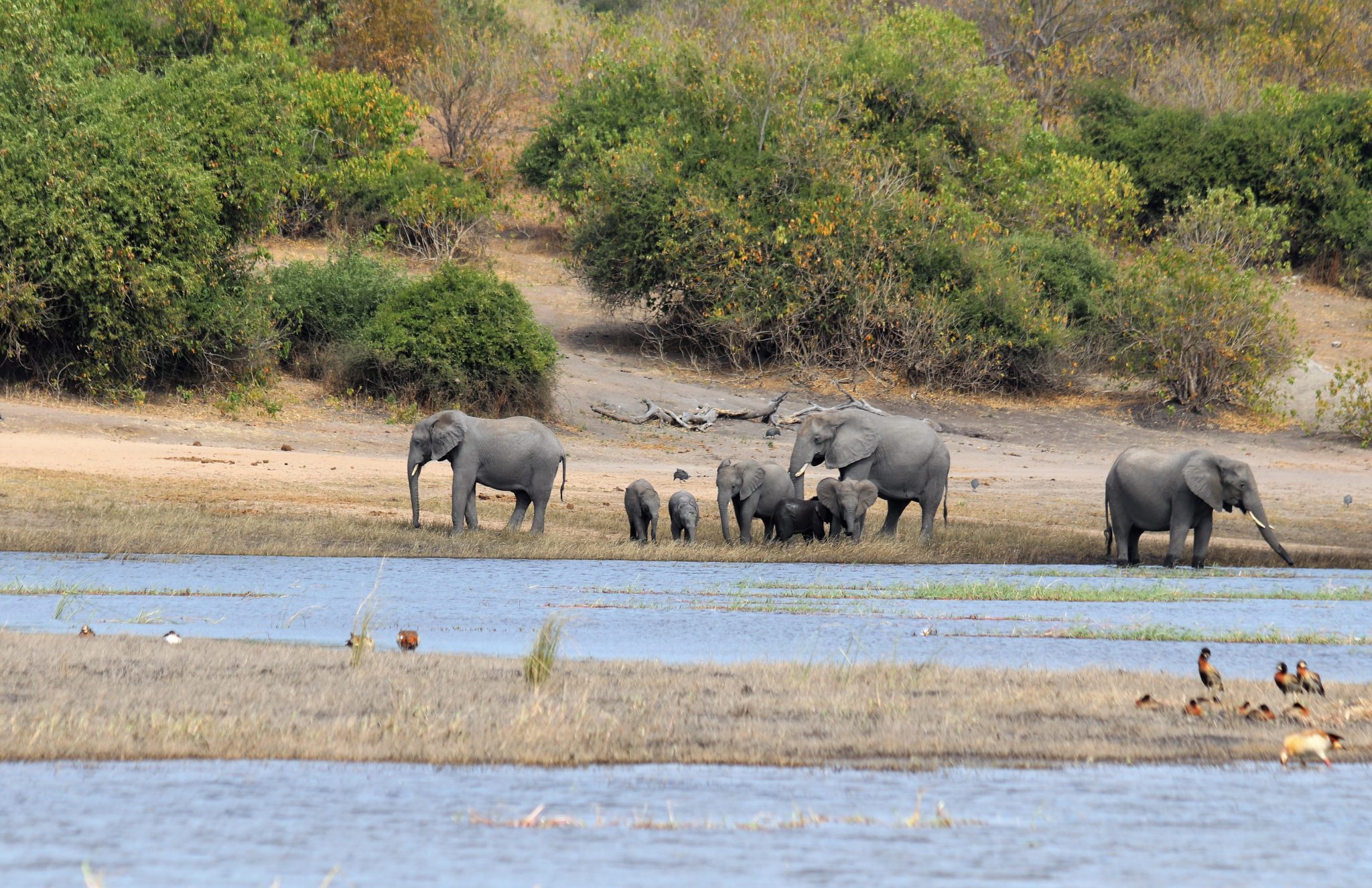
Covering approximately 520 000 square kilometres across five countries, KAZA TFCA remains the largest terrestrial transboundary conservation area in the world. The conservation landscape is home to nearly half of Africa’s savanna elephant population and supports a vast array of wildlife species and ecosystems.
The initiative plays a crucial role in facilitating the free movement of wildlife across international borders while promoting biodiversity conservation and sustainable development. It also serves as a model for regional cooperation, demonstrating how neighbouring countries can work together to manage shared natural resources for mutual benefit.
The outcomes of the Victoria Falls meetings are expected to strengthen long-term cooperation among member states and provide renewed momentum towards achieving conservation, tourism and community development goals.
“Outcomes from the meetings are expected to guide future policy direction and strengthen long-term regional cooperation in conservation, tourism development and sustainable natural resource management across the five partner states,” said Zimparks.