The Reserve Bank of Zimbabwe (RBZ) has launched a new round of Zimbabwe Gold (ZiG)-denominated Term Deposit Facility Bills aimed at absorbing excess liquidity from the market, stabilising the exchange rate and strengthening confidence in the country’s currency.
In a statement on Saturday, the central bank announced the introduction of 30, 60 and 90-day ZiG Denominated Term Deposit Facility Bills (ZiGDTDF), carrying annual interest rates of 8 percent, 9 percent and 11 percent respectively.
“The RBZ has introduced a new round of 30, 60 and 90-day ZiG Denominated Term Deposit Facility Bills (ZiGDTDF), offering interest rates of 8%, 9% and 11% per annum, respectively,” the central bank said.
The bank said the investment instruments will be available to a broad range of market participants, including banks, corporates and individual investors.
“The instruments are available to banks, corporates and individuals and form part of the central bank’s efforts to manage liquidity, stabilize the exchange rate and strengthen confidence in the Zimbabwe Gold (ZiG) currency,” the RBZ said.
According to the central bank, the measure is intended to reduce the amount of ZiG circulating in the economy by encouraging investors to lock away funds for short periods in exchange for guaranteed returns.
“The move comes amid concerns over growing liquidity in the financial system and follows several months in which Zimbabwe recorded a negative trade balance, increasing demand for foreign currency to pay for imports.
By encouraging investors to lock away ZiG funds for short periods, the RBZ aims to reduce excess money circulating in the economy and limit pressure on the exchange rate,” RBZ added.
The introduction of the new bills represents the latest in a series of monetary policy interventions designed to support exchange rate stability and preserve the value of the local currency.
“This is the latest in a series of liquidity-management measures employed by the central bank,” the RBZ said.
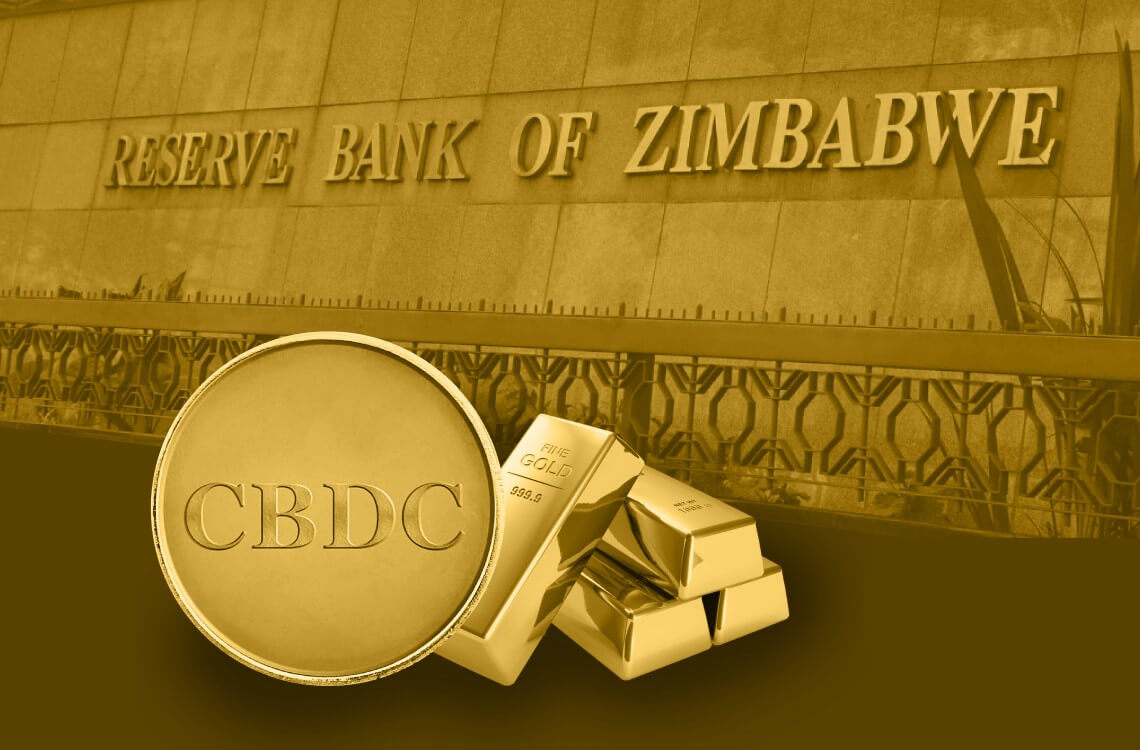
The bank noted that previous interventions included the launch of the Mosi-oa-Tunya Gold Coins in 2022, Gold-Backed Digital Tokens in 2023 and other deposit instruments aimed at mopping up excess liquidity.
“Similar interventions included the launch of Mosi-oa-Tunya Gold Coins in 2022, Gold-Backed Digital Tokens in 2023, and various deposit instruments designed to absorb excess liquidity and support monetary stability,” the RBZ said.
The central bank expressed confidence that the programme will contribute to macroeconomic stability by reducing inflationary pressures and enhancing confidence in the ZiG currency.
“For ordinary Zimbabweans, the success of the programme could mean a more stable exchange rate, lower inflationary pressures and greater confidence in the local currency,” the RBZ said.
However, the bank acknowledged that tighter liquidity conditions may have implications for borrowing and lending activity within the economy.
“However, tighter liquidity conditions could also result in reduced access to credit and slower growth in borrowing by businesses and consumers,” the RBZ said.
The latest initiative underscores the central bank’s continued focus on maintaining monetary discipline and ensuring the long-term stability of the ZiG, which was introduced in April 2024 as Zimbabwe’s structured currency backed by reserves of gold and foreign currency.