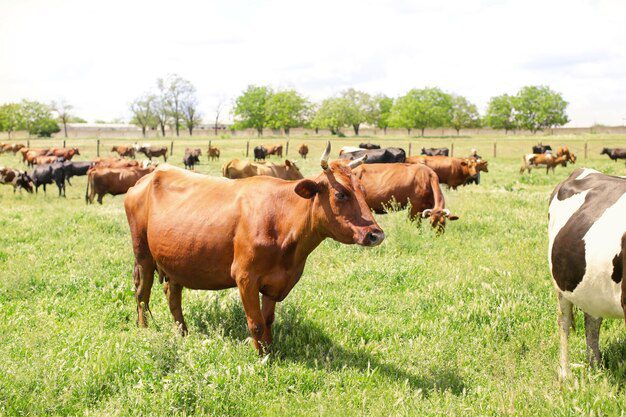
Chegutu farmers in Wards 22 and 26 are translating drought early warning information into practical livestock protection measures, with communities showcasing 585 cattle, 300 Boer goats and 43,000 hay bales under the Government’s Drought Mitigation Livestock Protection Pillar.
In a statement, yesterday, Permanent Secretary in the Ministry of Agriculture, Mechanisation and Water Resources Development, Dr Obert Jiri, said the initiative demonstrated the importance of converting early warning information into timely action at community level.
“Early warning is only useful when it is translated into early action. What we are seeing in Chegutu is a clear demonstration that farmers can take the information available to them and use it to prepare their livestock before the effects of drought become severe,” Dr Jiri said.
He said Government was encouraging farmers to strengthen feed security and improve livestock management as part of broader measures to build resilience against climate-related shocks.
“The 43,000 hay bales that have been mobilised by these communities are particularly important because livestock feed is one of the first challenges to emerge during periods of drought.
By preparing fodder in advance, farmers are reducing the risk of losing valuable animals when grazing and water resources become constrained,” he added.
Dr Jiri said the programme was also promoting farmer-to-farmer learning, allowing communities to share practical knowledge on livestock husbandry, disease prevention and record keeping.
“We are not only talking about numbers of cattle, goats or bales of hay. We are looking at building a culture of preparedness among farmers.
Farmer-to-farmer learning allows those with experience to share practical solutions with others, ensuring that knowledge on feeding, husbandry, disease preparedness and livestock records remains within the communities,” he said.
He added that proper record keeping was critical for farmers to make informed decisions and protect their investments.
“Good livestock management requires farmers to know what they have, what their animals need and what risks they are facing.
Proper records help farmers monitor their herds, identify losses and make timely decisions, particularly when drought places pressure on household resources,” Dr Jiri said.
The Permanent Secretary said disease preparedness remained another critical component of drought mitigation, as weakened livestock could become more vulnerable to diseases.
“Drought does not only create a shortage of pasture and water. It can also increase vulnerability to disease. We therefore want our farmers to remain vigilant, maintain good husbandry practices and work closely with veterinary services to protect their animals,” he said.
The Chegutu initiative reflects Government’s broader strategy of strengthening climate resilience by ensuring that communities prepare for drought before it arrives, rather than responding only after livestock and livelihoods have already been affected.